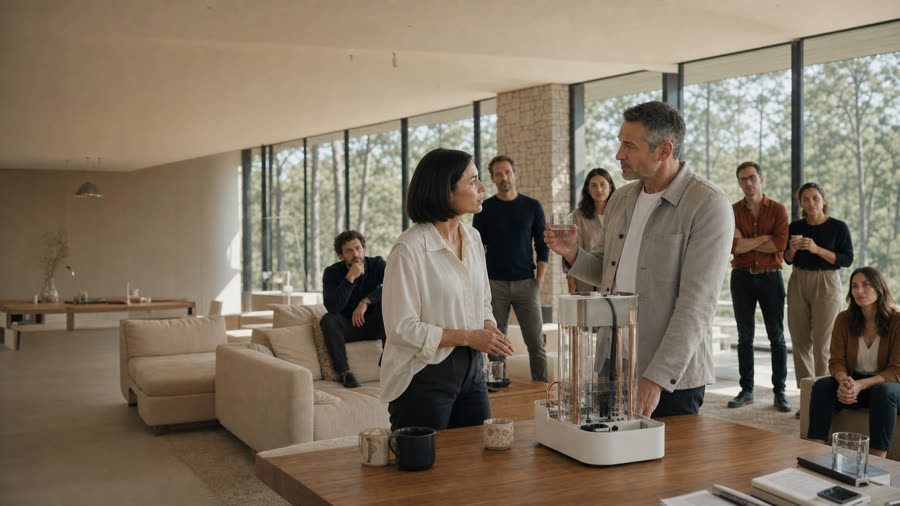
Scenes from your show that never aired — yet viewers would swear they saw them. The same set, the same light, the same people and rhythm. Only the moment is invented. Like this one: the mentor raises a hand — and the room falls silent. That take was never filmed.
The Mandela Effect is a phenomenon of collective false memory: millions of people "remember" events that never occurred. We turn the phenomenon into a media format. The AXIOMA engine generates fragments of a show with exact fidelity to its visual patterns — set, lighting, graphics, camera style, rhythm. The participants and moments are invented, yet the patterns are so recognizable that the viewer's brain "remembers" the episode on its own. Then the internet's most powerful viral mechanic kicks in: "wait, did that even happen?"
The set, the lighting, the signature graphics, the camera positions, the rhythm of the cuts — everything a viewer uses to recognize the program within half a second. Captured by the engine as the "show reference."
A participant, a line, a plot twist that never existed. Generated characters — or real faces, by written consent.
The moment is built so people want to share it and want to argue about it: "I saw this" versus "that never happened."
The result: a fragment that spreads across social media on its own — comments and reposts make distribution free, and every road in the debate leads back to the real show on air. Below is a live example: an "episode" that doesn't exist.
Lights, stage, participants in place. The viewer recognizes the show within half a second — the pattern works before the logo even appears.
A founder defends her project before the jury. This episode never aired — but it looks exactly like your broadcast.
The mentor asks a question that freezes the room. The drama of the moment is built so the clip cuts off right here.
The experts disagree. Conflict is the fuel of the conversation: in the comments, viewers will finish the argument for them.
The viewer doesn't get the resolution — they come to the real broadcast for it. A bridge from a viral clip into your product.
Every show genre has its own magnet moments — those are exactly what we generate.
A startup founder offers the jury something on the edge of madness and genius. An investor stands up. The room freezes. This episode never aired — yet everyone is talking about "that pitch."
A contestant who leaves the jury speechless. By morning the clip is in everyone's feed, and no one can find the "full version" — because there isn't one. Not yet.
The judge tastes it and stays silent for twenty seconds. Intrigue without a spoiler: the payoff comes "in the new season."
The sponsor's product "took part" in an iconic moment of the show. Integration after the fact — with no reshoot of the episode.
The format scales from a single moment to a full arc: an invented contestant travels their journey inside your show — challenge, trial, failure, breakthrough, resolution. The five scenes below were generated in a single series: one house, the same people, one light.
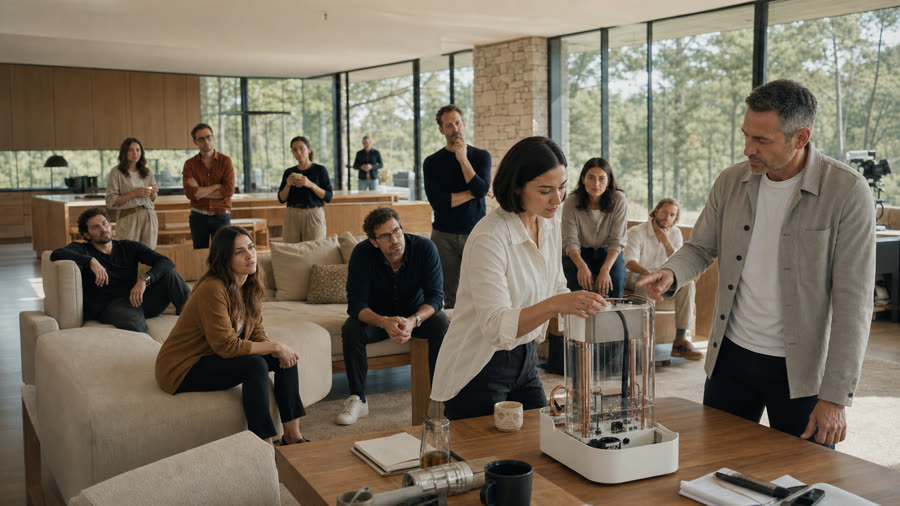
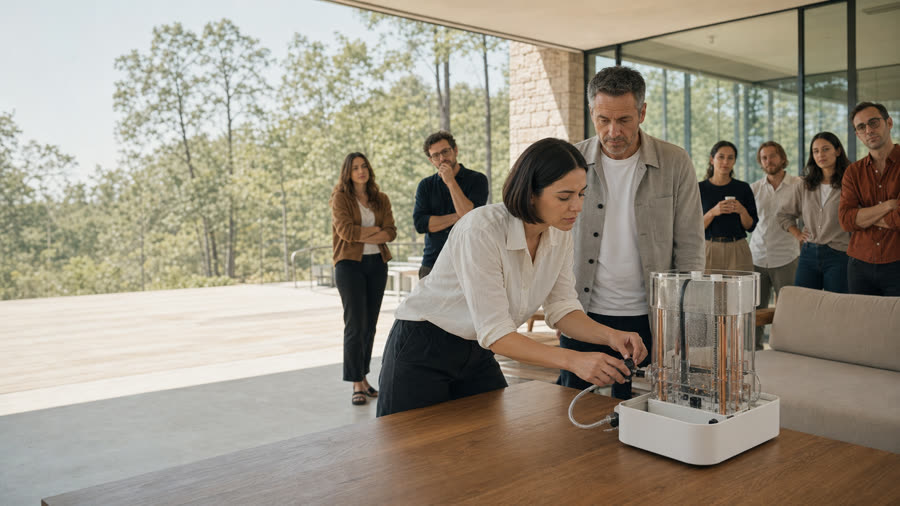
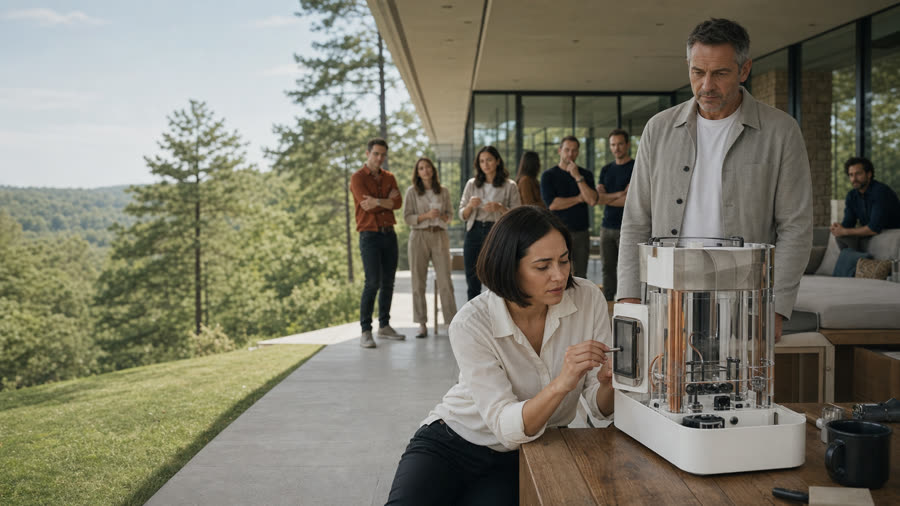
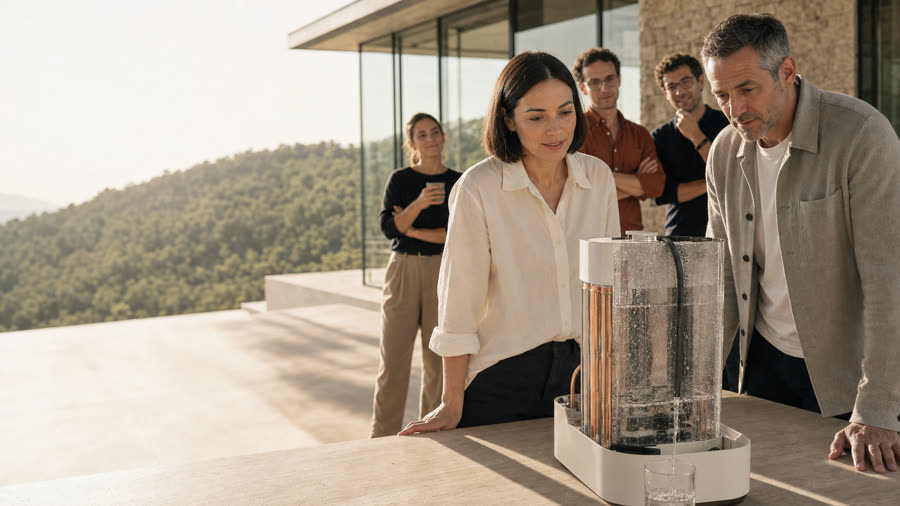
Between seasons, the audience cools off. "Leaks of moments that never existed" keep the conversation hot for months.
Fragments of the "upcoming season" create a wave of speculation before the first broadcast. Every argument is free reach.
Sponsored moments woven into the fabric of the show — inventory that never existed: sold with no shoot day and no change to the aired version.
A new segment "airs" as a generated fragment — audience reaction is measured before a single set is built.
Every moment is released as a swarm of verticals for Shorts, Reels, and VK Clips — with the show's watermark and a bridge to the full episode.
"Scenes cut from the film," character interviews, alternate endings — the mechanic works for theatrical releases just as it does for broadcast.
The format only works in partnership with the show's rights holder. This is fundamental: we don't fake someone else's broadcast — together with the channel, we expand its universe.
The program's patterns, graphics, and brand are used under contract with the channel or producer. The format is official show content — not a fake about it.
The participants in the moments are generated from scratch. Real hosts and jurors appear only with their documented consent to a digital likeness.
Every fragment carries generated-content labeling in line with platform requirements and legislation. The "did it happen or not" debate is part of the game, not deception: the answer is published by the show itself.
No politics, no news events, no statements on behalf of real people. The format lives inside the show's entertainment universe — and only there.
The channel hands over references: episodes, brand book, graphics. The engine captures the program's "digital pattern" — studio, lighting, lower thirds, rhythm. 2–3 days.
Together with the editorial team, we pick 5–10 magnet moments for the season's goals: warm-up, sponsors, segment tests.
The first moment for approval: revisions in hourly iterations, sign-off from the channel's legal team — before publication.
Approved moments are released on a content plan; each one as a swarm of verticals for platforms, with a bridge to the broadcast.
Five scenes in a single series: one house, the same people, one light. A clean engine pass in a single night — no set, no actors, no shoot day.
Discuss a pilot for your show Other formats