← All formats RU中文
Generated by the AXIOMA engine Integration format · Streaming platforms

Micro-dramas
a series overnight

Vertical mini-series that a platform releases every week: their own universes, their own characters, a cliffhanger in every episode. Everything you see on this page was shot by our engine — including this sky.

Scroll
01 · What this format is

Content between the big premieres — a reason to open the app every day

A streaming platform has a library and it has a premiere once a month. In between there is silence, and in that silence the subscriber drifts off to scroll someone else's feed. Micro-dramas close that silence: short serialized universes with 40–60-second episodes that drop in installments and end on a cliffhanger. Below is a live case: the mini-horror "SIGNAL" for the fictional platform LUMEN — from script to episode in a single night of the engine's work.

One character — an entire universe

We lock a digital reference of the character: face, movement, costume. From there, every frame of every episode is built from that reference — the character stays true to themselves at any angle and in any episode of the season. It's the same technology we use to hold a product steady in brand integrations.
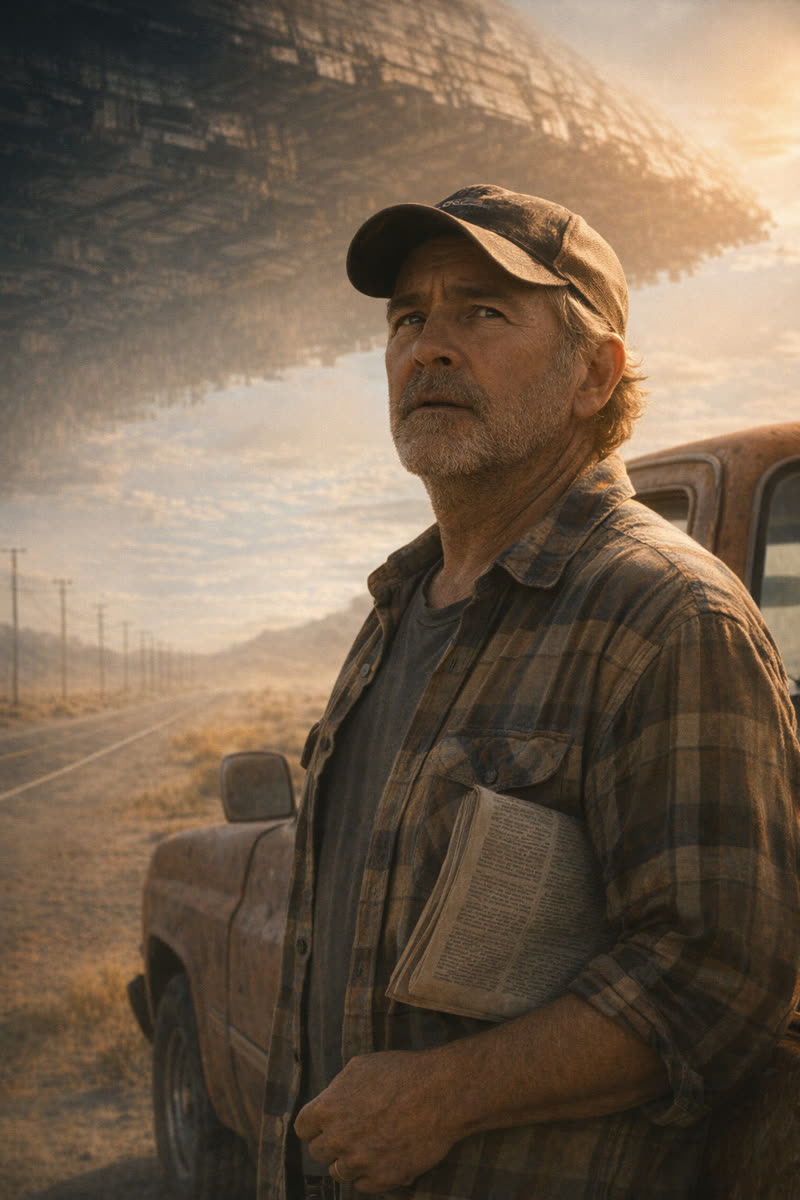

SIGNAL character reference
02 · Anatomy of an episode

40 seconds you can't walk out of

The episode is built on the laws of serial storytelling, compressed into a vertical format: a hook in the first two seconds, mounting tension, a cut at the most nerve-wracking moment — and a bridge to the platform's brand. The viewer waits for the next installment inside your app.

S1 · hook
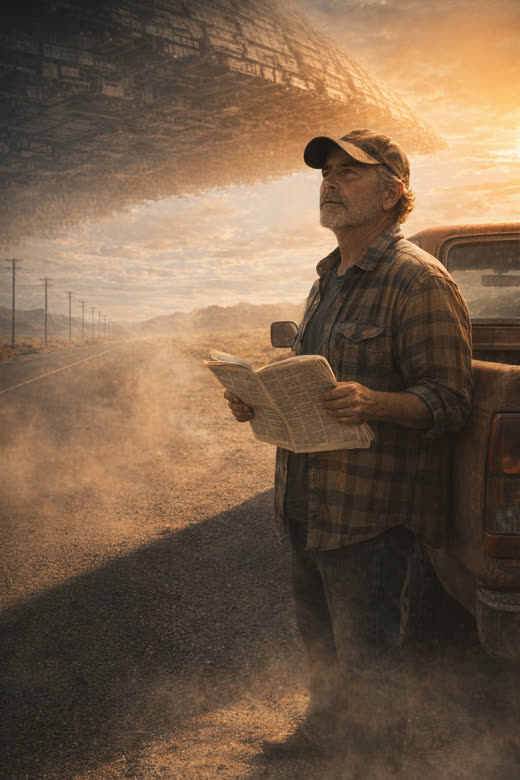
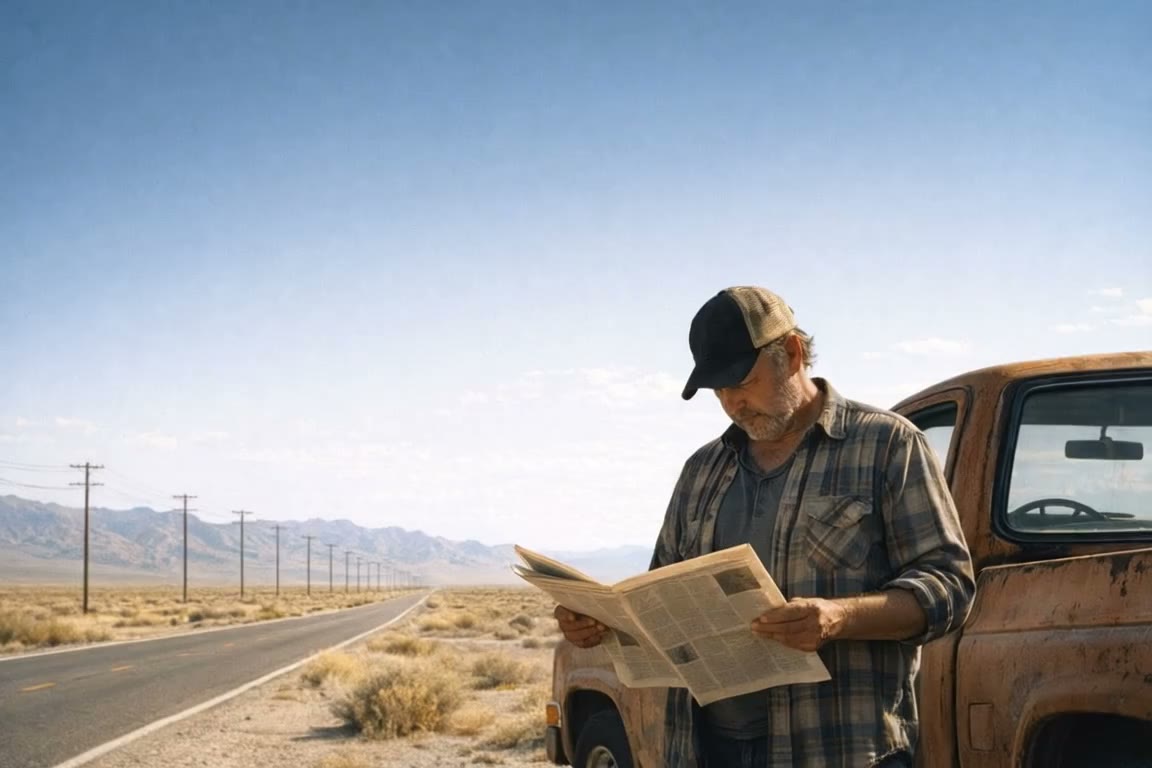
The radio cuts outa night highway, the first 2 seconds of unease
S2 · build-up
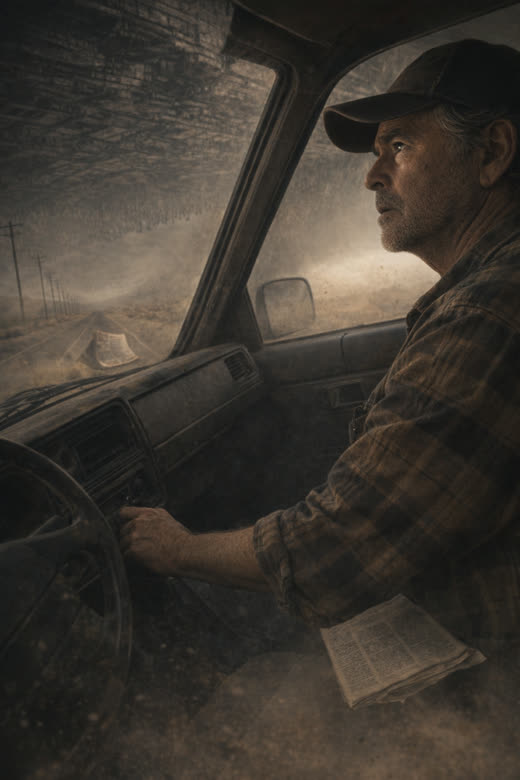
A shadow creeps insomething is moving outside the car window
S3 · build-up
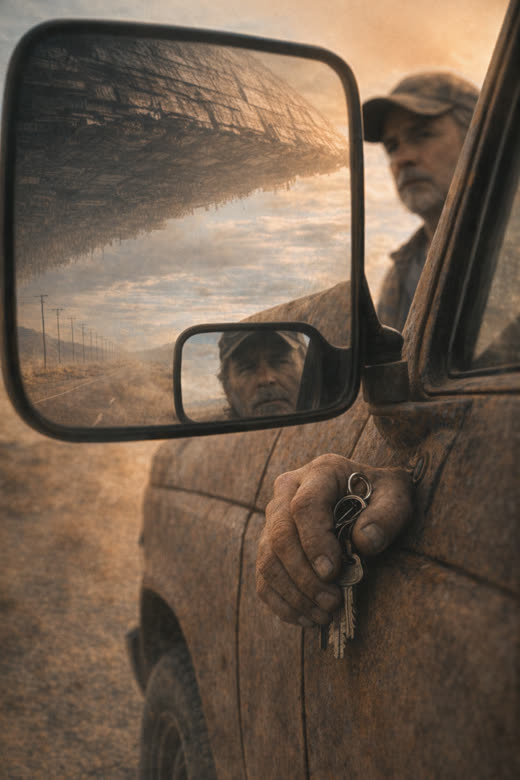
The mirrorin the reflection it's closer than it seems
S4 · cliffhanger
It won't starta cut at the peak — the answer in the next installment
S5 · bridge
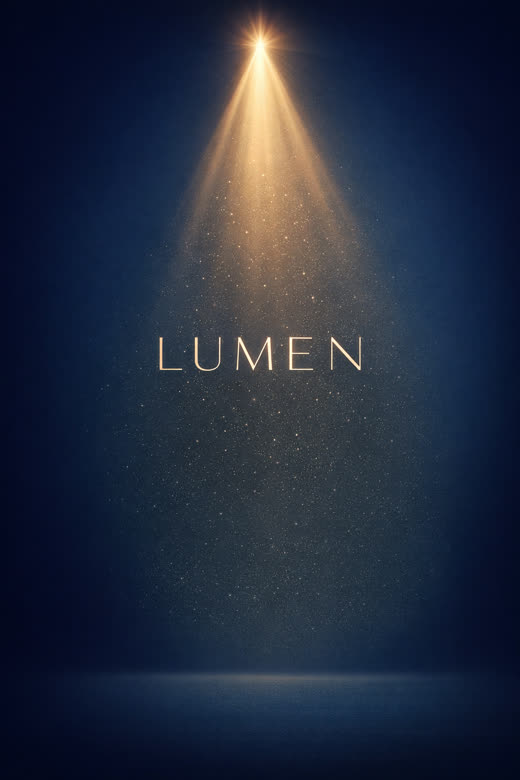
LUMEN pack shotthe story continues — only on the platform
FRAME

The universe is bigger than one episode

A shadow falls over a deserted highway. Wide-format hero scenes become season posters, splash screens, promos inside the platform's interface. One universe feeds every surface.

FINALE

The reveal

The climax of the season — the moment the viewer sat through every episode for. From here the universe can grow all the way to a feature: the character and the world are already locked by the engine.

Scenes generated by the AXIOMA engine · rough pass, no post-production
03 · What it gives the platform

A daily reason to come back

Retention

Serialization = habit

An episode a day, a cliffhanger in each. A micro-drama builds a daily ritual of opening the app — the metric platforms fight over harder than any other.

Own universes

Original content without production budgets

Horror, detective, romance, sketch comedy — a lineup of universes tailored to audience segments. Each one an exclusive to the platform, and none of them needing a film crew.

Bridges

Traffic into the full library

An episode's pack shot leads into a themed collection: finish the mini-horror and land on a shelf of horrors. The micro-format sells the long form.

1 nightfrom script to a finished episode with sound
season / week5–7 episodes of a universe — a weekly sprint for the engine
×100cheaper than a pilot shoot at serial volume
04 · Sound

Suspense is made with the ears

Every episode gets three sound layers: a musical theme for the universe, written to the drama; a voice — the character's lines delivered in a consistent timbre from episode to episode; and sound design, which in horror works harder than the picture. "SIGNAL" already has all of it — ask for the demo with sound.

Layer 1

Theme of the universe

A musical motif the viewer recognizes from the first second of an episode — like the title theme of a favorite series.

Layer 2

The character's voice

One timbre across the whole season. Lines are generated to the scene timing — the engine makes sure a cut never chops a phrase in half.

Layer 3

Sound design

Radio static, screeching brakes, breathing — the layer that makes a vertical frame feel cinematic.

05 · Quality control

A series stays a series

Character face-lock

A digital reference locks the face and movement — the character is one and the same in episode 1 and episode 40.

Canon of the universe

Palette, locations, and the rules of the world are written into the engine's "series bible" — new episodes never break canon.

Dramaturgical control

Every episode is checked for structure: hook — escalation — cliffhanger. Weak scenes are reshot, not aired.

Legal cleanliness

Characters and worlds are generated: no third-party rights, no actor contracts locked in for five seasons ahead. Content is labeled as generated.

Season finale — The Reveal
06 · How it launches

From idea to an episode schedule — four steps

Choosing universes for the audience

We look at the platform's segments and assemble a lineup: which genres cover which cohorts. 2–3 days.

Series bible + pilot episode

Reference character, world canon, theme. The pilot goes up for approval — edits iterated within hours. One week.

Season into production

The engine ships episodes in installments; the platform's editor approves the gates — just like a regular programming schedule.

The data decides

Completion and return rates per episode are visible right away: strong universes get new seasons, weak ones close with no losses.

07 · The result

The first episode — "SIGNAL"

A rough cut of the episode: five scenes, dialogue, a musical theme. One night of the engine's work — no set, no actors, no editor.

Discuss a lineup of universes Other formats
Demo materials: rough engine pass, no post-production · the LUMEN platform is fictional